
Uncovering Amsterdam’s Queer Histories

Dutch history, as we know it, leaves a lot unsaid. The voices of women, people of colour, and LGBTQ+ communities are too often missing from the mainstream narrative. Elyzabeth Gorman is here to change that. A former New York theatre professional turned Amsterdam tour guide, she digs through the city’s archives to uncover the hidden and erased stories of the past. With her company Badass Tours, she brings these powerful narratives back to life. In this podcast, Gorman takes us deep into the queer history of the Netherlands.
Listen to this podcast on Spotify
Gorman prefers “hidden histories” as a gentle term, acknowledging that many queer stories were intentionally ignored rather than simply forgotten. She emphasises how critical it is for people—especially young queer individuals—to see themselves represented in history, as invisibility does real harm.
Queer Amsterdam through the centuries
The Netherlands’ reputation as a progressive nation is nuanced. In earlier centuries, responses to queer people depended greatly on gender and era. While the 17th and 18th-century Dutch Republic offered relative permissiveness to certain minorities, queer lives were often subject to persecution or discretion. For instance, male same-sex love might be ignored in elite circles, while women caught together faced greater punishment.
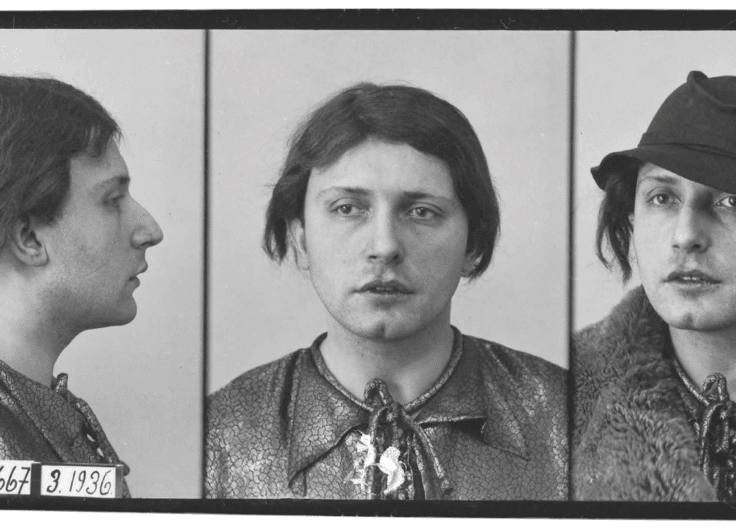
In this podcast, Gorman recounts dramatic stories from the archives—such as the 17th-century lesbian love triangle between playwright Catarina Questiers, Cornelia van der Veer, and Katheryne Lescailje. She also tells of Machiel van Antwerpen, a trans man in the 18th century who defied societal norms by living authentically, facing trials for “lying to the army,” yet supported quietly by his religious family.
From persecution to resilience
Records from the 18th and early 19th centuries show that sodomy was a capital crime, and the Dutch East India Company enforced brutal penalties on suspected lovers. This changed after the Napoleonic invasion, which wiped out old Dutch laws, but cultural repression lingered. The 1911 morality law, for instance, set a higher age of consent for gay relations, leading to increased police harassment instead of liberation.
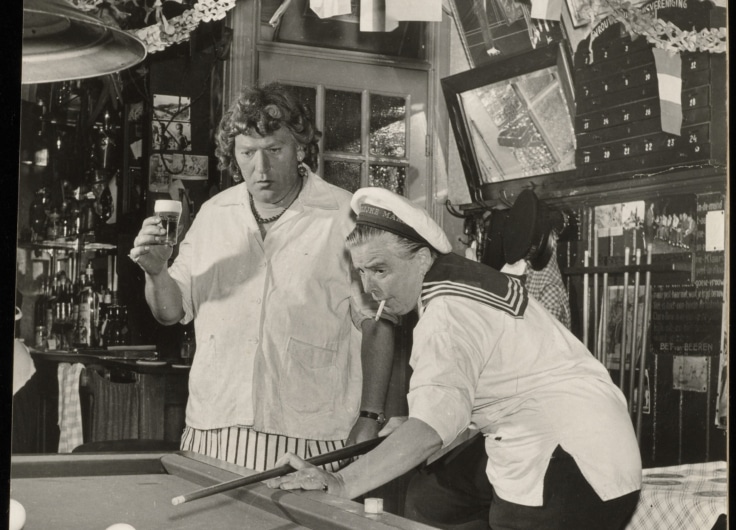
Queer spaces existed even under threat: Café ’t Mandje, opened in the early 20th century by the openly lesbian Bet van Beeren, became a key safe haven. During the Nazi occupation, queer individuals like artist Willem Arondeus and conductor Frieda Belinfante risked their lives in the resistance.
Community, activism, and legacy
After WWII, much of LGBTQ+ history remained unspoken. Organising, such as through the “Shakespeare Club” (COC Nederland), led to the first gay rights protests in the late 1960s. Trailblazers like Benno Premsela united communities, advanced openness, and inspired legislative change, paving the way for the world’s first same-sex marriages in the Netherlands in 2001.
Today, Gorman stresses that while Amsterdam is exceptionally safe for many, challenges remain for trans, non-binary, and queer people of colour. Tolerance has made space for difference, but full integration and visibility remain the ultimate goals for a truly inclusive society.





Leave a Reply
You must be logged in to post a comment.