
Generosity Requires Expertise: The Changing Roles of Citizen, Business Sector and Government

It may sound traditional, but it is also a bit of a buzzword: philanthropy. Generosity is thriving: in Flanders it can be found in the warmth of local community, in the Netherlands in a tightly organised system of foundations. And in both regions it reflects the strained relationship between government and society.
At once tender and strategic, moral and commercial, individual and collective: For centuries, philanthropy – literally: love of humanity – has been the silent engine of progress, the soft counterbalance to the hard logic of market and state. Where the government falls short, citizens help out.
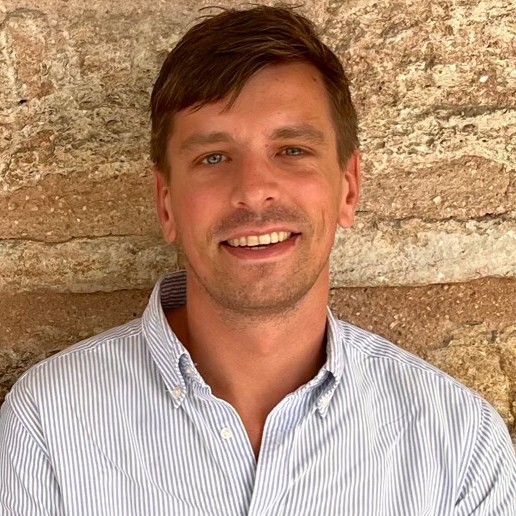 Kees Buitendijk (Socires): “European history has been shaped by intellectual philanthropy, but that has all but disappeared”
© Socires
“European history has been shaped by intellectual philanthropy.” So writes Kees Buitendijk, director of Socires, an independent centre for social issues. “The most eye-catching manifestations of this are the palaces and artworks that families such as the Medicis have left us. But more broadly, scientific endeavour, trade schools, art and culture were funded by rich private individuals.” He outlines the roots of the culture of giving in the Netherlands, with men like Willem Hovy and Anton Philips, who helped fund the education of generations of students.
But the powerful were not the only ones to contribute. Ordinary citizens also patiently saved up their small change. Amsterdam’s Free University, with its Reformed Protestant roots, was built by the people. “Those days of generous patronage and industrious little men are gone,” Buitendijk says. “The Dutch are still generous donors, but intellectual philanthropy has all but disappeared.”
Once upon a time, charitable giving was an unquestioned moral obligation. These days philanthropy is more diffuse, more complex and also more professional
His words remind us that, once upon a time, charitable giving was an unquestioned moral obligation – an extension of faith, community and social responsibility. These days philanthropy is more diffuse, more complex and also more professional. The tradition has changed, but its spirit lives on in the donation of time, money and expertise – albeit cloaked in trusts and foundations that respond directly to current needs.
In the Netherlands and Flanders, philanthropists are often wealthy families, entrepreneurs, creatives and foundations that operate behind the scenes.
Two cultures
While there is no clear-cut divide between Flanders and the Netherlands, there is a subtle difference in temperament. The Netherlands is a country of structures, statistics and strategic foundations. It has over 350,000 foundations and associations, of which 43,000 have been recognised as public benefit organisations (in Dutch: Algemeen Nut Beogende Instelling or ANBI). Alongside well-known names such as the King Baudouin Foundation and big local and religious trusts, Flanders has an intricate network of regional funds and endowment funds, which are overseen by the Belgian Federation of Philanthropic Foundations. The federation also serves as a knowledge organisation, providing analyses and training that help foundations be more professional.
The figures give an indication of the scale: in 2022 social organisations in the Netherlands received more than 5.3 billion euros – or 0.6 per cent of GDP. Households donated a total of 2.2 billion euros, businesses 1.75 billion and legacies raised 368 million. These figures and ratios fluctuate a little year on year but remain relatively stable. It is a great deal of money, especially compared to what is collected in Belgium.
“The generosity of the Belgians reaches record levels,” financial paper L’Echo reported in the spring of 2025. In 2024 the total value of donations that qualify for tax relief amounted to 375.09 million euros, according to provisional figures from the Federal Public Service Finance (FPS Finance), based on the tax receipts submitted by certified charitable bodies. This is the highest amount since 2021, when the charity sector raised 387.61 million euros – a historic high. But that record is likely to be broken. “The figures for 2024 are provisional: as usual, some of the receipts will be submitted late,” explains Florence Angelici, spokeswoman for FPS Finance. In 2023 the late receipts added up to more than 18 million euros.
The actual amount that Belgians donate annually is higher. Figures for, say, legacies are not included, but no reliable overall figures are available. In 2022, for example, Flemish people donated some 305 million euros to good causes through their wills. But comparisons are difficult, because other regions have other schemes.
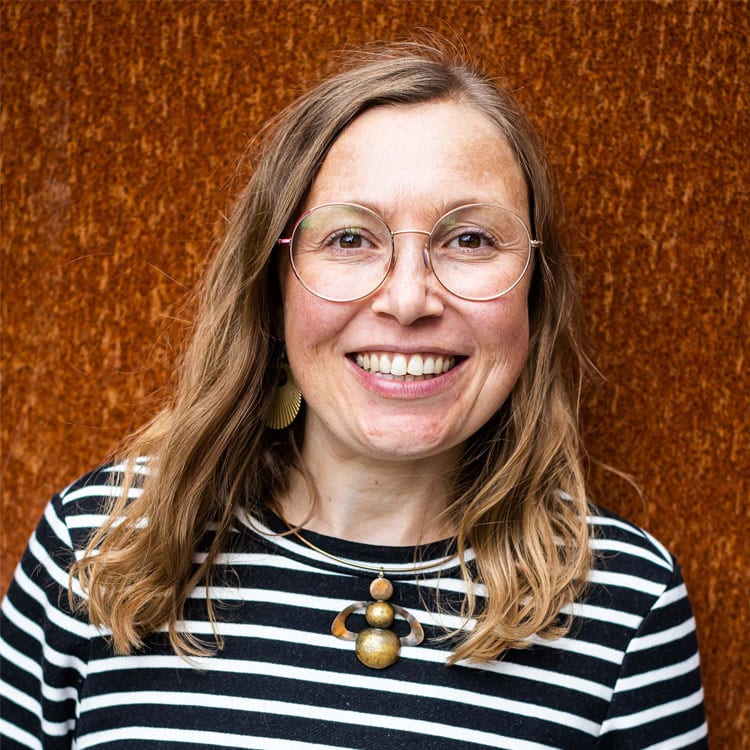 Joke Persyn researches private fundraising at HOGENT University of Applied Sciences and Arts: “It’s not just about money, but about feelings too: I’m making a difference, I’m making an impact”
© HOGENT
“No fewer than 61 per cent of Belgians surveyed supported one or more good causes in 2024,” says Joke Persyn, who researches private fundraising at HOGENT University of Applied Sciences and Arts. “Nearly 64 per cent of people in the Brussels-Capital Region gave to charity in 2024. The figure for Flanders is 63 per cent. In Wallonia the percentage is a little lower, with 55 per cent of people surveyed in 2024 supporting one or more good causes.”
Annual events such as the Foundation Against Cancer’s Relay for Life and De Warmste Week by public broadcaster VRT show an upsurge in collective generosity. Hundreds of thousands of Flemish people raise money through musical performances, sporting challenges and heart-warming stories. “We’re not talking billions here,” Joke Persyn says, “but at moments like these, solidarity really comes to life. People donate because they’re moved, not because they’re calculating.” Similar events take place in Wallonia. Viva for Life, for example, raised more than 8 million euros in 2022.
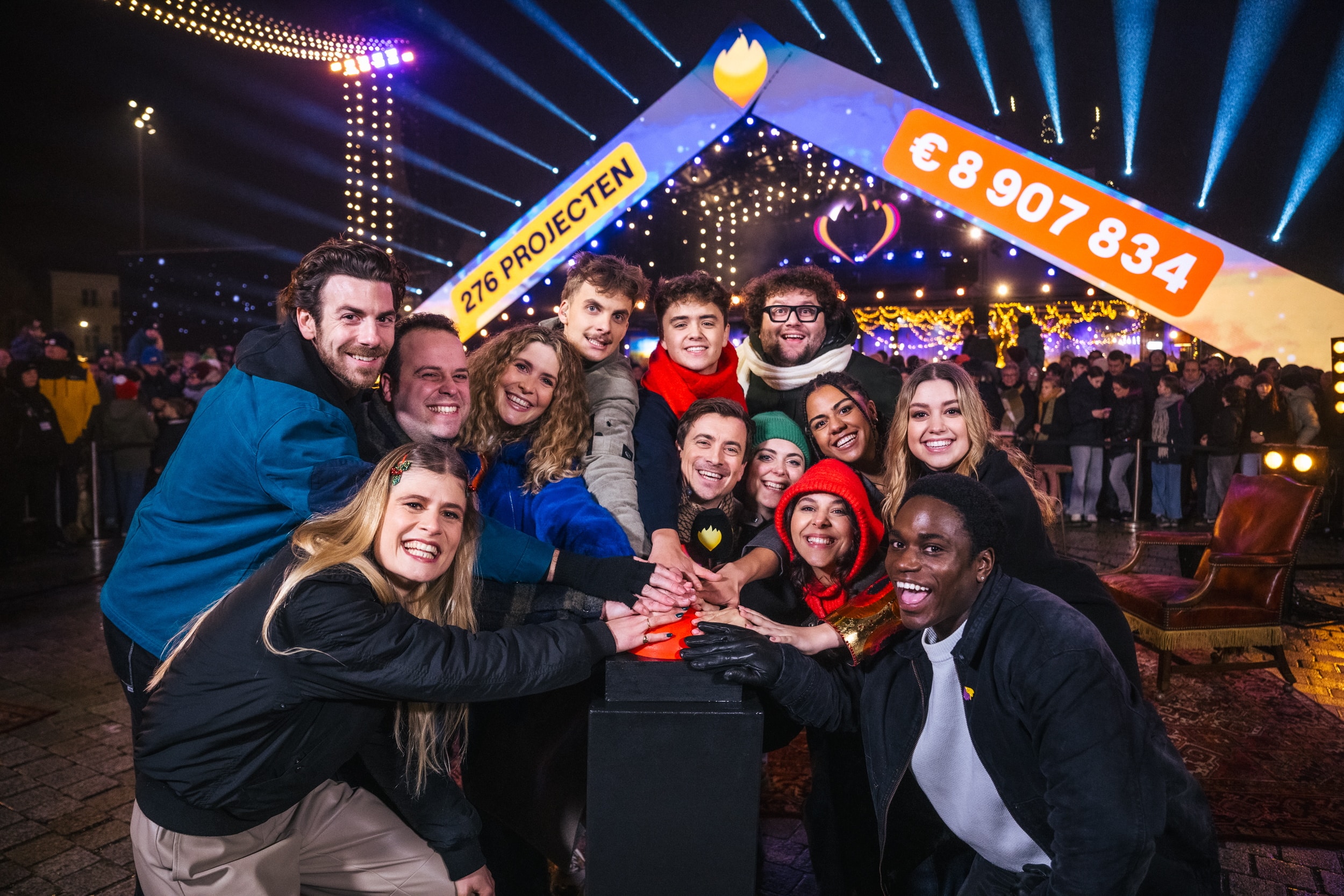 Annual initiatives such as the public broadcaster’s De Warmste Week show an upsurge in collective generosity
© VRT – Jokko
The science behind donations
What was once seen as a purely emotional issue is now also an area of study. In the Netherlands, the Centre for Philanthropic Studies at VU Amsterdam is the academic heart of the sector. “However much I understand the desire to compare Flanders and the Netherlands, I must resist. We simply don’t have the empirical material to do so accurately. We can speculate, but we don’t have the data,” says René Bekkers, director of the Centre for Philanthropic Studies.
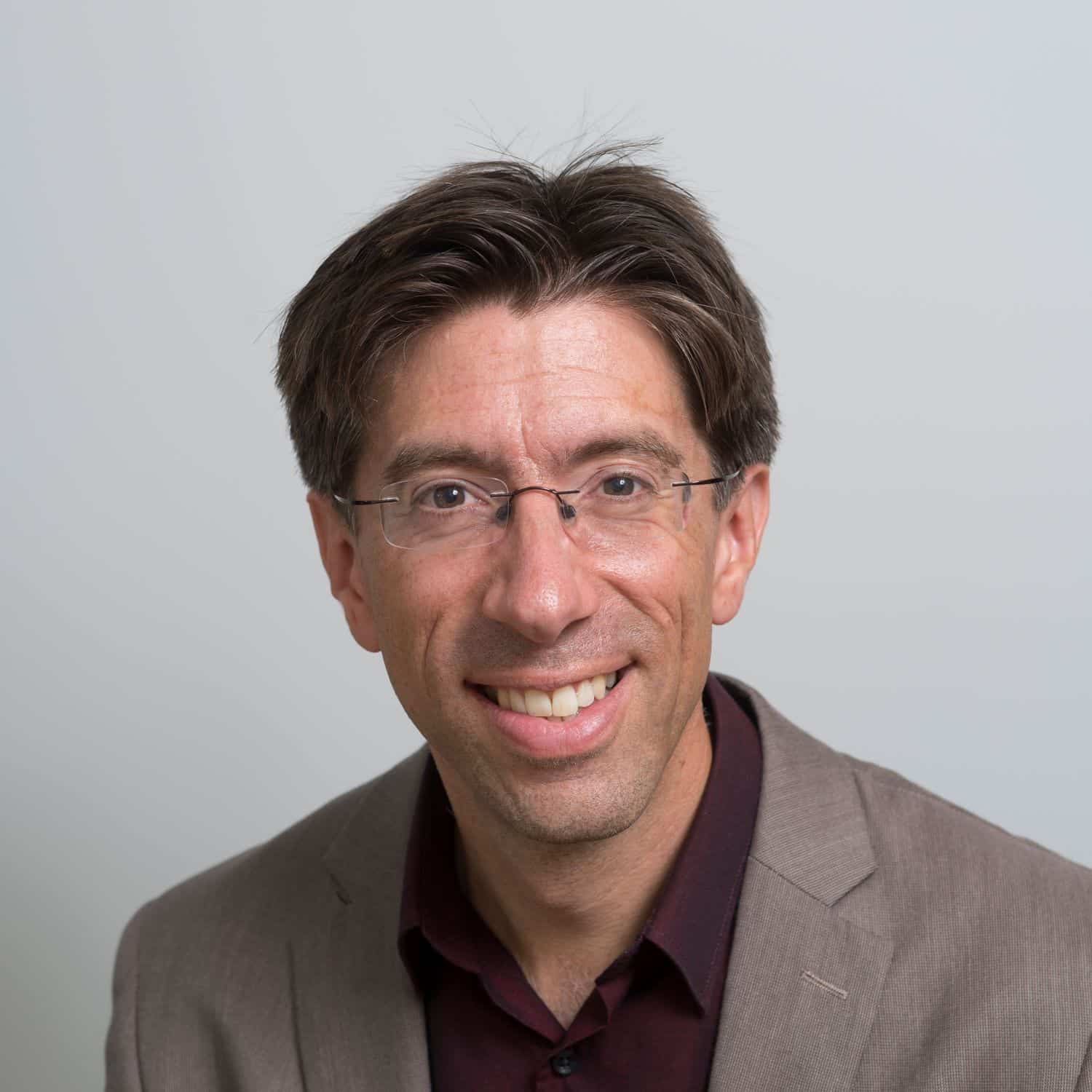 René Bekkers is director of the Centre for Philanthropic Studies at VU Amsterdam. What was once seen as a purely emotional issue is now also an area of study
© VU, Amsterdam
Bekkers is the foremost Dutch researcher of charitable giving. As an endowed professor, he studies the social aspects of prosocial behaviour and is a contributor to Geven in Nederland, the bible of Dutch research into charitable giving. This biennial publication maps the financial flows, motivations and trends. The study indicates that the Dutch are not only generous, but also loyal – even in times of crisis. That said, the nature of the donations changes: less is given in cash, more digitally; less is donated via churches, more via crowdfunding, social media and legacies.
Across the border, this research is continued by the likes of Joke Persyn, who analyses the charitable donations by the Flemish with her colleagues at HOGENT. “At 60 to 65 per cent, the percentage of Flemish people who donate regularly is remarkably stable,” she says. “In times of crisis, such as the coronavirus pandemic, we even saw an increase. People continue to show solidarity. One of the main reasons some Flemish people don’t donate is because they can’t afford to.”
Persyn stresses the crucial importance of trust. “Flemish people prefer to give to organisations or people they are familiar with. Familiarity and proximity are the strongest predictors of charitable giving behaviour. It’s not just about money, but about feelings too: I’m making a difference, I’m making an impact.”
For more than twenty years, the Streekfonds West-Vlaanderen (West Flanders Regional Fund) has been building bridges between organisations and socially engaged donors in the province. “We have our own projects that push for opportunities for children and young people, we support social organisations, put them in touch with compassionate donors and help entrepreneurs optimise their social engagement,” coordinator Jan Despiegelaere says. Local donors include both individuals and families on the one hand, and SMEs and family-owned businesses on the other. “Companies become involved in projects that are close to their core business. Think of education so that vulnerable young people can maximise their potential on the labour market, or diversity and inclusion projects in the workplace.”
The person behind the donation
Back in 1865 a few wealthy Amsterdammers used their own money to pay for the construction of what is now Vondelpark. It was meant to be a green space in an otherwise rather colourless Amsterdam, somewhere the working classes could go for walks. Today, more than ten million people use “their” city park every year.
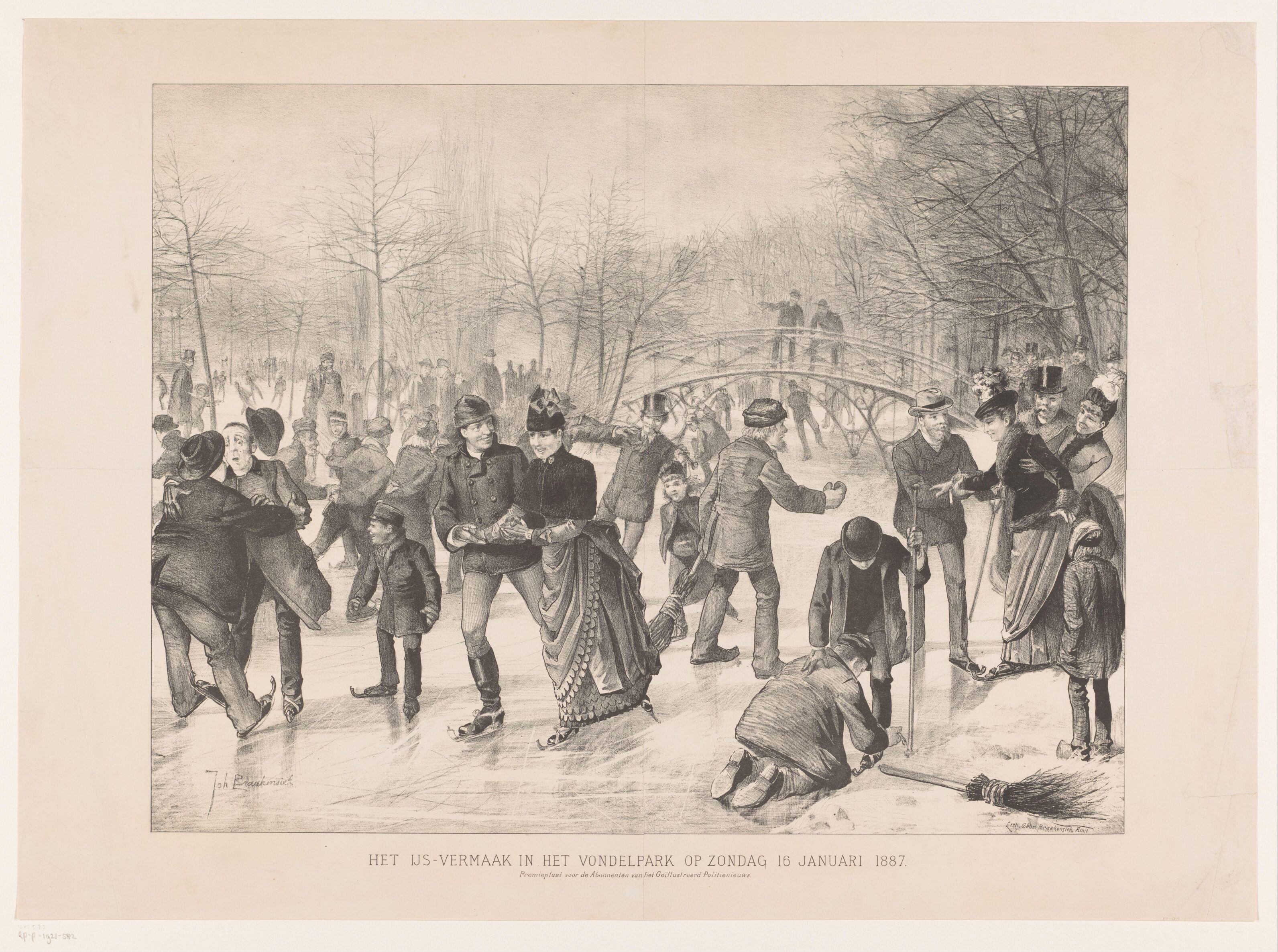 Skaters in Vondelpark in Amsterdam, engraving from 1887. In 1865, a few wealthy Amsterdammers used their own money to pay for the construction of what is now Vondelpark. It was meant to be a green space in an otherwise rather colourless Amsterdam, somewhere the working classes could go for walks
© Rijksmuseum, Amsterdam
Back in 1865 a few wealthy Amsterdammers used their own money to pay for the construction of what is now Vondelpark. It was meant to be a green space in an otherwise rather colourless Amsterdam, somewhere the working classes could go for walks. Today, more than ten million people use “their” city park every year.
Joke Persyn: “We define philanthropy as deploying resources to make the world a better place and to create impact. This can be done on an individual, group or corporate level, and in a wide variety of ways. The aim is always to make a difference with whatever means available.”
Philanthropy is not just a matter of money, but also of time and showing up
Baby boomers are the most generous generation – with mortgages that have been paid off and adult children, they have the necessary financial leeway to give something back. If not in cash, then in a different form.
Data from the Netherlands confirm this: 45 per cent of Dutch people do voluntary work. This figure has dropped slightly since the coronavirus pandemic but remains exceptionally high. It shows that philanthropy is not just a matter of money, but also of time and showing up. Donating your time to someone is also a form of philanthropy.
However, the sector is haunted by distrust. Whenever organisations are seen to spend too much on “overheads”, the public’s response is clear. But, Persyn says, “without professional fundraising strategies, you won’t reach anyone. You need to invest in order to have any kind of impact. Thanks to initiatives such as Donorinfo or Ethisch Fondsenwerven (Ethical Fundraising) there is growing transparency, but this perception remains a challenge.”
This negative perception is not an issue when it comes to extreme circumstances, Persyn says. “We have noticed that structural projects are not jeopardised when disasters happen. People give extra. New target groups are tapped. A wave of engagement follows.”
This tradition of engagement has a rich history. Open het Dorp, broadcast from conference centre RAI in Amsterdam in 1962, is legendary and pioneering in this respect. It was the first big, televised fundraiser in the Netherlands. The programme was simultaneously broadcast on the radio, as not everybody had a television in those days. The show was presented by Mies Bouwman and marked her big breakthrough. “I would like to thank you all for the best day and night of my life,” an emotional Mies Bouwman said during the broadcast, which lasted an unprecedented 23 hours. A total of more than 12 million guilders (5.4 million euros) was raised to open Het Dorp, the Netherlands’ first independent living community for people with physical disabilities.
In 1984, Bouwman – by now immensely popular – more than matched the feat with a fundraiser for Africa. Één voor Afrika (United for Africa) raised 50 million guilders (22.7 million euros). From now on the charity drive was a fixture on Dutch screens: in 2022 there was a big campaign for Ukraine.
Partners or competitors?
The Dutch government is not afraid of philanthropy and actually stimulates it. The ANBI scheme and the Geefwet (Giving Act) offer tax benefits for donations, especially for cultural institutions. The government views philanthropy as a complement to public services not as competition.
The situation in Belgium is different. Tax-deductibility of donations is both more limited and more complex. Donations over 40 euros are now automatically included in tax returns and while this may seem handy, it also raises questions around privacy. On top of that, the tax relief rate may be lowered from 45 to 30 per cent – a measure which, according to research, could negatively impact people’s willingness to give. When the price of giving increases, generosity will decrease disproportionately. Small organisations eligible for tax deductions, especially, may see their revenue dry up – and it is those foundations that make a difference locally.
Barry Hoolwerf: “In their efforts to achieve a balanced, contemporary approach to philanthropy Flanders and the Netherlands also have a lot in common”
Barry Hoolwerf puts it into a broader perspective. He is the executive director of the European Research Network On Philanthropy (ERNOP), a consortium of researchers that aims to “advance, coordinate and promote philanthropy research in Europe”. Hoolwerf: “Although there are differences, I believe that both Flanders and the Netherlands occupy a hybrid position between the Rhineland and Anglo-Saxon models of philanthropy. The Anglo-Saxon model, as we know it from the US and the UK, revolves around private initiatives with private foundations and businesses shouldering a lot of responsibility. The Rhineland model, which includes Germany and Scandinavia, prioritises the central role of the state, with philanthropy as a complementary actor.
The Netherlands and Flanders sit somewhere in between, each with distinct qualities. In the Netherlands, for example, the tradition of charitable giving goes back further and is better documented. Thanks to structural research and a rich ecosystem of foundations and wealth funds, the sector is more professional and transparent and has more strategic partnerships. Flanders, on the other hand, draws more heavily on a socially inspired tradition, in which collaboration with community organisations continues to play an important role. Those differences make the comparison interesting: while the division of labour between citizen, business sector and government in the two countries may be different, in their efforts to achieve a balanced, contemporary approach to philanthropy Flanders and the Netherlands also have a lot in common.”
Between emotion and justice
Some doubt whether there is still a need for philanthropy, given that the government has its own policies and benefits in place. According to Joke Persyn, the opposite is true. “State support is declining and less structural: organisations are now often expected to submit applications for temporary projects, which rarely cover their basic operations. Many organisations simply can’t function without philanthropic support. At the same time, we are seeing that tax incentives are being scaled back, which only exacerbates the need. In other words, philanthropy is a necessary complement to state support.”
Joke Persyn (HOGENT): “State support is declining and less structural, so philanthropy is a necessary complement”
The Australian philosopher Peter Singer has written about this in his influential book The Life You Can Save. The reasoning is as follows: a fireman saving a child from a burning building will be a hero for the rest of his life. But we can all save lives with our incomes.
Pamala Wiepking is a Professor of Societal Significance of Charity Lotteries at VU Amsterdam as well as Stead Family Chair in International Philanthropy and Associate Professor of Philanthropy at Indiana University in Indianapolis. One of her areas of expertise is cultural differences in charitable giving. This is what she had to say about it in Wereld van Filantropie (World of Philanthropy), an independent journalism platform: “Compared to Americans, the Dutch tend to donate much less to education, healthcare and the fight against poverty in their own country. Of course, this has everything to do with our faith in the welfare state and our belief that, because we pay a lot in tax, the government is responsible for these areas. This is different in the US, where fundraisers for, say, schools are quite common.”
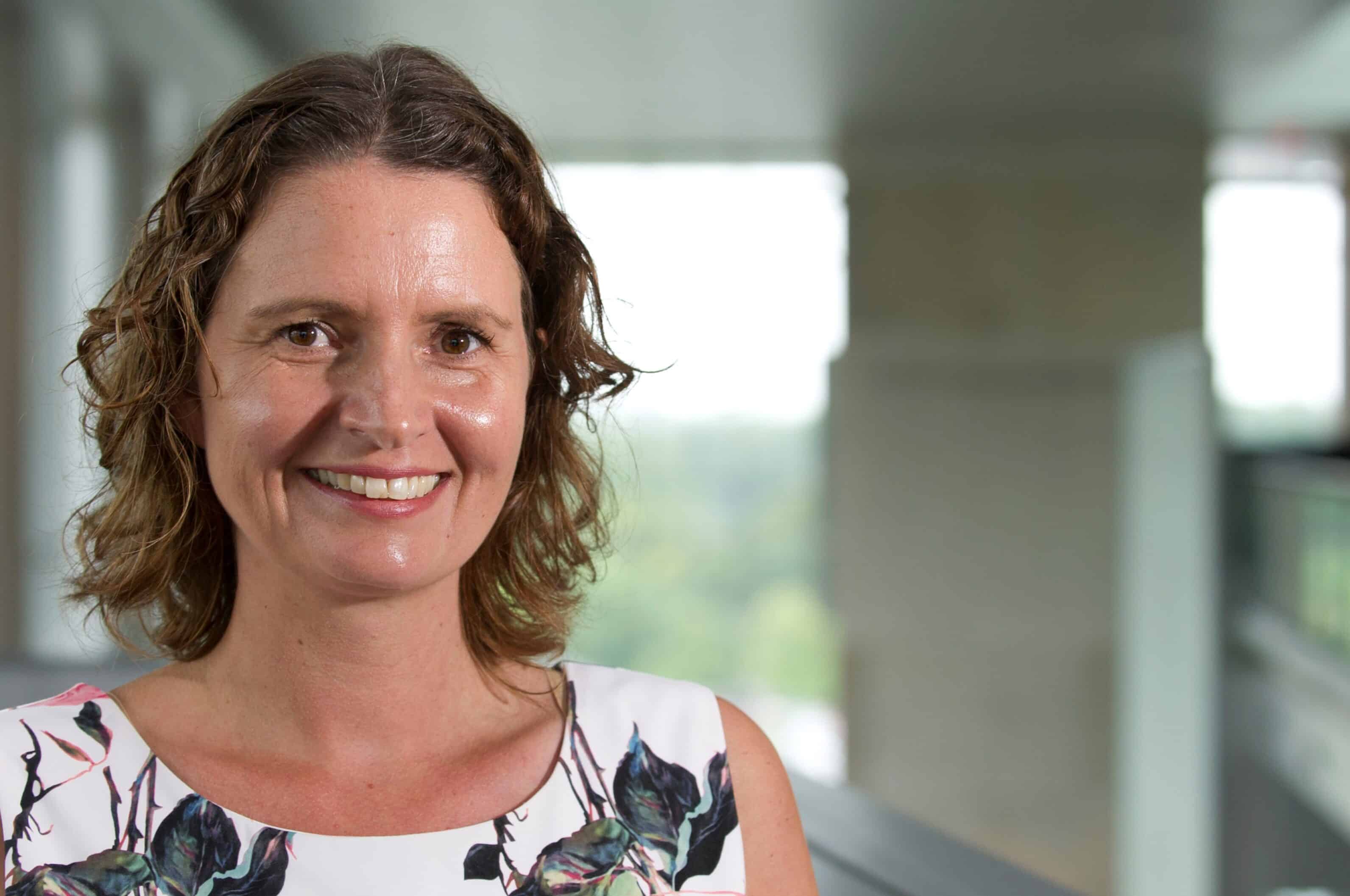 Pamala Wiepking, Professor of Societal Significance of Charity Lotteries at VU Amsterdam: “Compared to Americans, the Dutch tend to donate much less to education, healthcare and the fight against poverty in their own country”
© VU, Amsterdam
Such forms of philanthropy are not universally welcomed. “A fair society must never rest on charity alone,” says Ive Marx, professor of socio-economic policy at Antwerp University, and director of the Herman Deleeck Centre for Social Policy. “Generosity can be inspiring, instil hope and fill gaps, but justice demands structural organisation. Philanthropy is meant to complement not replace. It is certainly useful in a crisis, but it must never take the place of policy. The fight against poverty, for example, is one of the key responsibilities of the state, and must not be left to charity.”
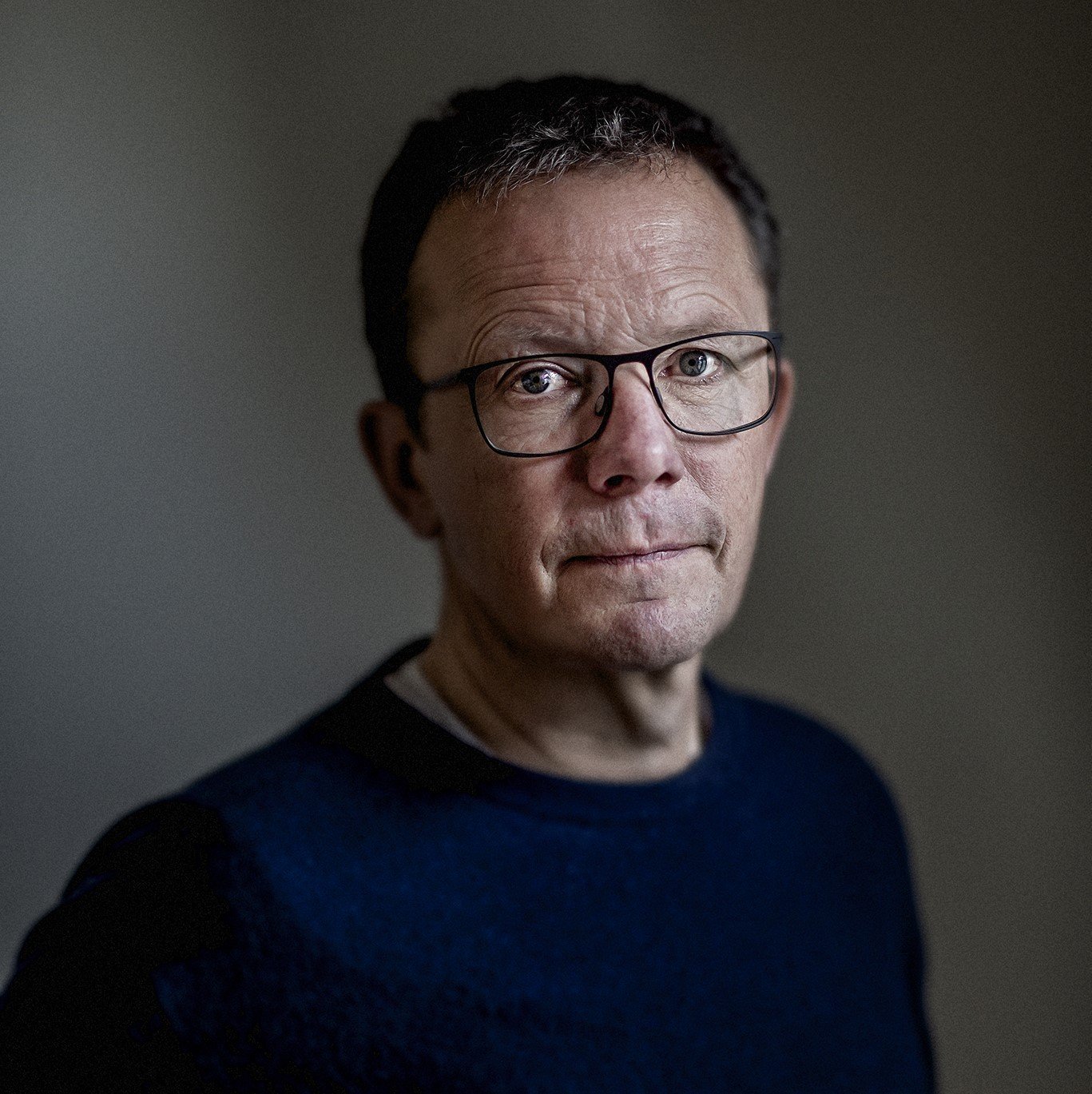 Ive Marx: “Generosity can be inspiring, instil hope and fill gaps, but justice demands structural organisation. Philanthropy is meant to complement not replace”
© EIPA
Marx’s viewpoint goes to the very heart of a growing debate: is philanthropy a balm for the wounds of inequality, or a structural response? Some philanthropists, among them the members of Millionaires for Humanity, argue for higher taxes on wealth. This collective of wealthy individuals is fighting for systemic change and social justice, through initiatives such as The Giving Pledge and the philanthropic activities of rich people. These efforts often include both direct donations and calls for structural solutions.
Others believe that the power of philanthropy lies in its flexible and non-binding nature. During the coronavirus crisis and the war in Ukraine, millions of euros were generated in a matter of days – something that no ministerial department could ever manage so quickly.
Imperfect beauty
Philanthropy will always be a balance between feeling and policy, between spontaneous contributions and strategic donations, between public spirit and societal necessity. It is also a mirror: showing where societies fall short as well as where they thrive.
Philanthropy is a mirror: showing where societies fall short as well as where they thrive
In Flanders philanthropy is smaller and rooted in the community. In the Netherlands it is bigger and more transparent. But people on either side of the border share the same desire: the wish to restore something that is broken, to leave a lasting legacy. For that, philanthropy is a silent ally. It reflects what societies go through: crisis and abundance, inequality and hope. And perhaps therein lies its biggest value: imperfect though it may be, it shows humankind as it is – prepared to share, to restore, to believe that the love of humanity, however fragile, is never in vain.


Leave a Reply
You must be logged in to post a comment.