
How a Belgian Tower Steeped in Colonial Symbolism Became the Setting for African American Emancipation

In 1941 the Belgian Friendship Building from the 1939 World Fair in New York was re-built on the campus of Virginia Union University. Martin Luther King spoke there, making the building and its tower a focal point of the American Civil Rights movement in the 1950s and 60s. This metamorphosis was particularly remarkable because the structure had originally been built to memorialise the Belgian ‘civilizing mission’ in Congo.
Ever since the Paris World Fair in 1937, Belgium had been playing the modernist card to introduce itself to the world. The ideal person to take artistic control of this endeavour was Henry van de Velde. Then, in 1939, it was New York’s turn to play host to the fair.
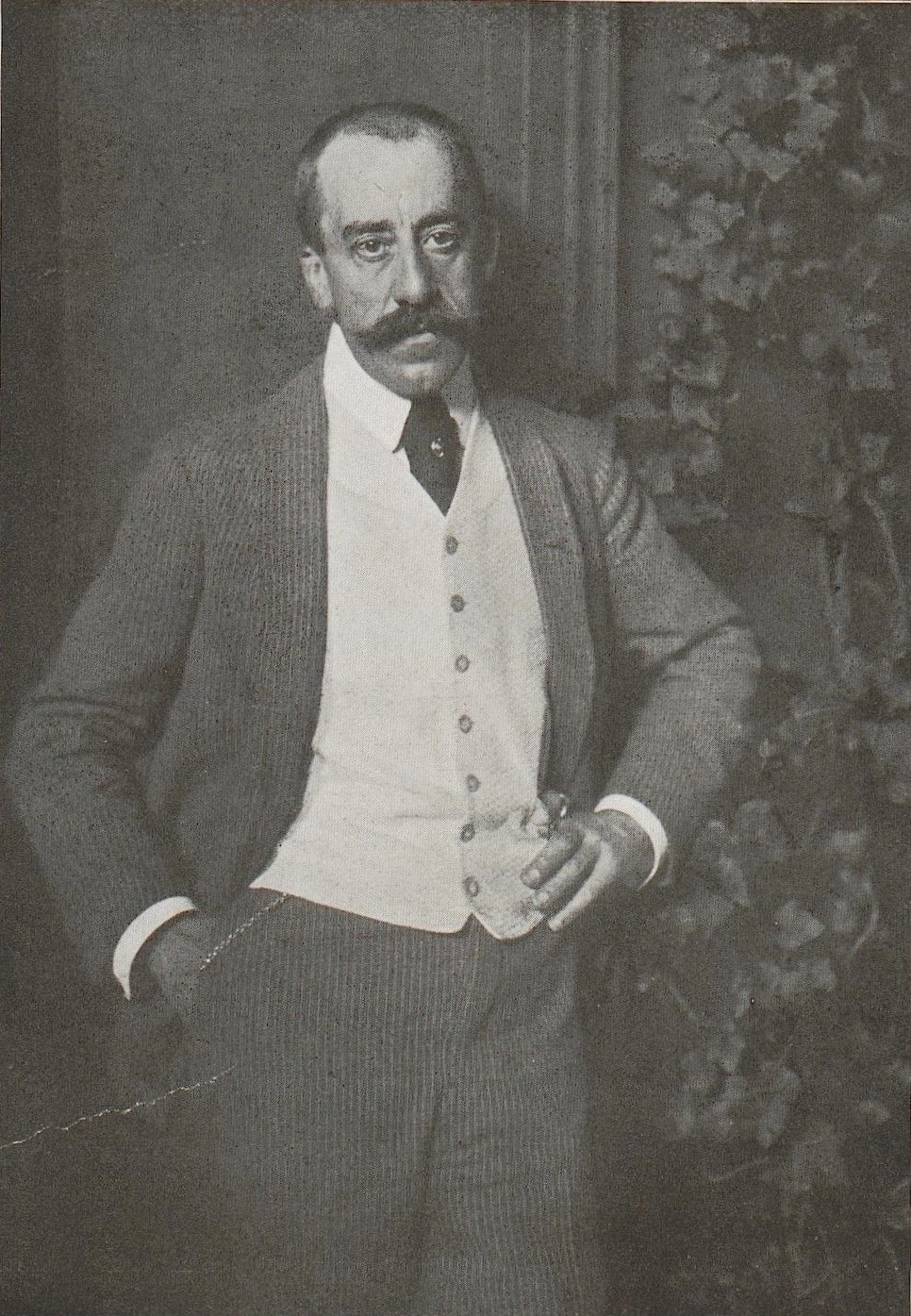 Henry van de Velde in 1903
© Wikimedia Commons
Van de Velde had an international reputation as a modernist artist and had been director of the Institute of Decorative Arts (Institut Supérieur des Arts Décoratifs) in Brussels, better known as La Cambre. Modelled after the German Bauhaus style, La Cambre provided tertiary-level art education in studios where skills such as bookbinding, ceramics, textile design, furniture design, graphic design and architecture were practiced in a distinctly modernist manner. Many artists on the teaching staff were, themselves, influential in the Belgian modernist movement.
At the 1937 fair in Paris the Belgian pavilion, with its round, horizontal cladding in handmade, terracotta-red tiles, had provided a magnificent counterpoint to the blue of the Seine and the soaring steel of the Eiffel Tower. At that time, Van de Velde was the chief architect in Paris and simultaneously served as the fair’s commissioner, tasked with selecting the artworks and items from national industries that would be exhibited. When it was time for New York fair, the Belgian government asked him to take the reins again.
A Duty Owed to Civilization
The New York World Fair, with the theme of The World of Tomorrow, was held in Flushing Meadows Park. It attracted no fewer than forty-five million visitors. The Belgian pavilion, designed and constructed by Van de Velde, Léon Stynen and Victor Bourgeois was given a place of honour on the grounds, where it grabbed attention due to its towering spire. Inside the building, glass panels bathed the exhibits in light. The cladding on the striking facade was made of terracotta-red tilework. The American press sang its praises, calling the pavilion ‘unique in its modernity’. Van de Velde himself spoke of a ‘radically modernist creation conceived according to the strict formulas of a new aesthetic, tested and accepted by two generations of architects.’
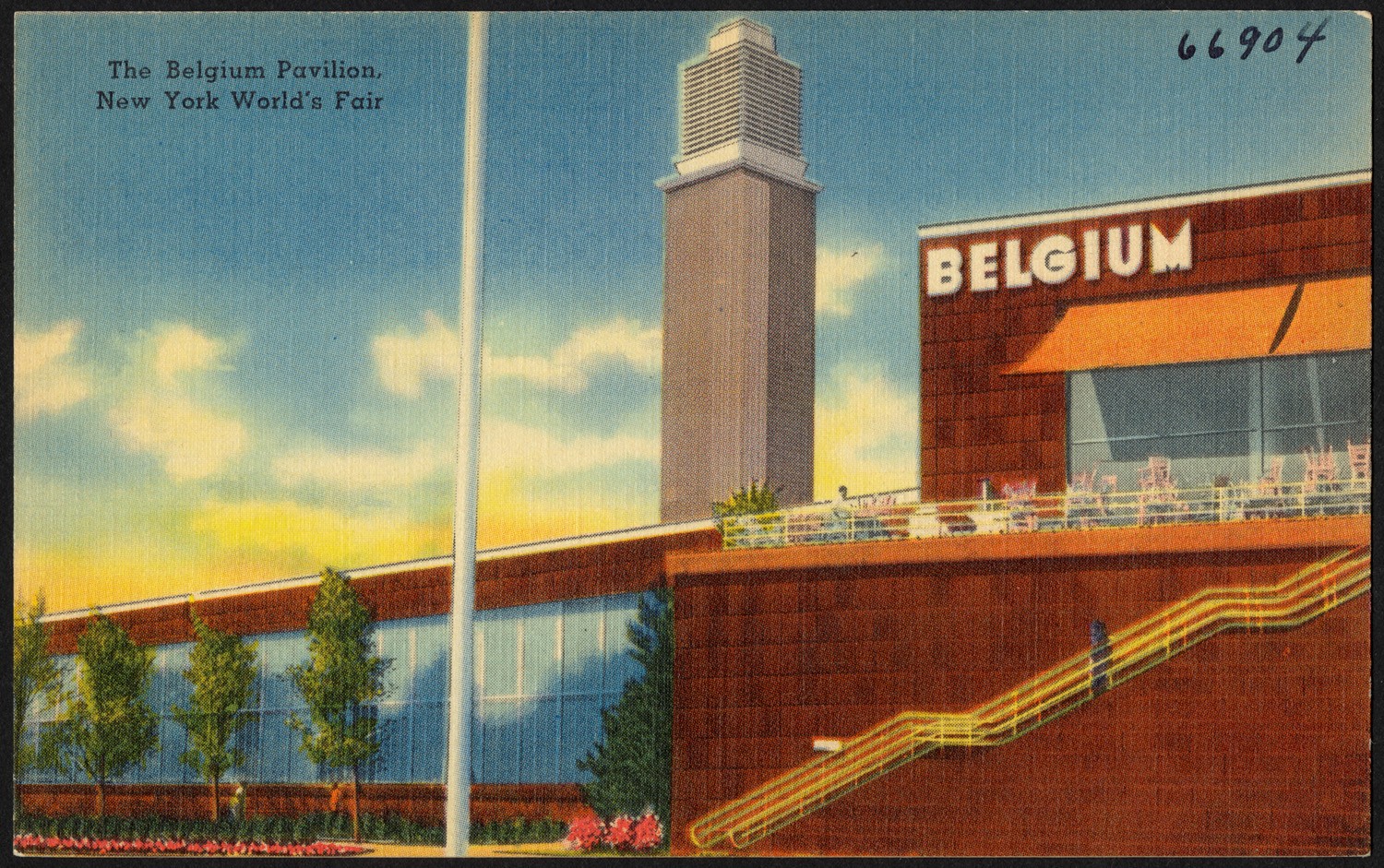 Postcard of the Belgian Pavilion at the 1939 World's Fair in New York, themed "The World of Tomorrow"
© Boston Public Library
Visitors entered the Belgian pavilion through a glass atrium, where they were greeted by words from King Albert and the mayor of New York; and also reminded of American support for brave little Belgium during the First World War. Next, they entered the Hall of Honour, adorned with rubber and black marble, where Flemish tapestries by Floris Jespers proudly illuminated the walls, illustrating woven scenes from Belgian-American history. The pavilion boasted an Arts and Crafts Gallery where the best works from La Cambre were exhibited. The Ministry of the Colonies was responsible for another spacious hall entirely devoted to everything that ‘the civilizing duty of the motherland towards the natives’ had yielded in a material sense.
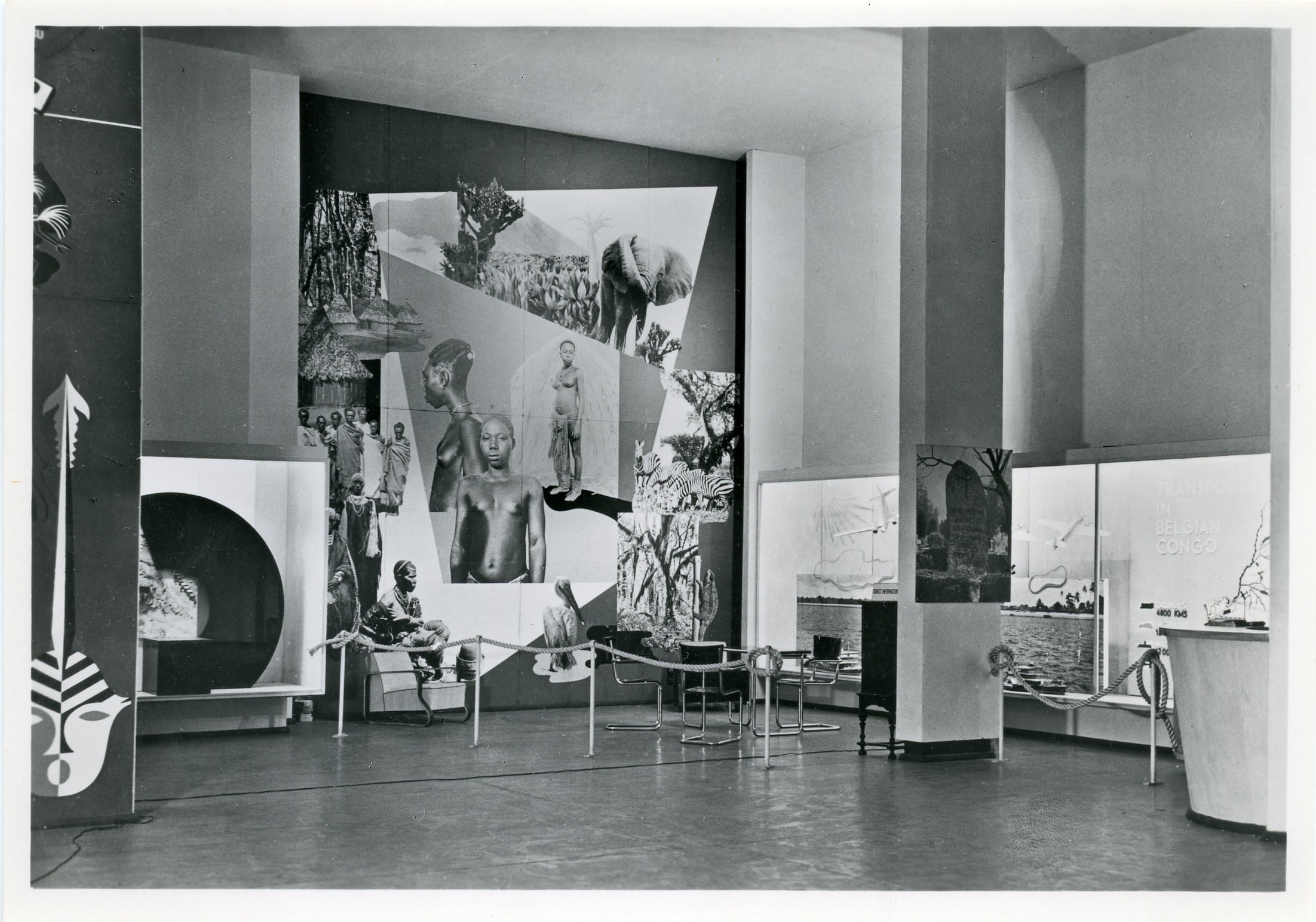 The colonial section of the Belgian Pavilion at the New York World's Fair
© Archives et Musée de la Littérature, Brussel
The pavilion also featured a reception hall (heavy with colonial and monarchical symbolism), a restaurant (decorated with murals by René Guiette and Edgard Scauflaire), a Crown Gallery (displaying crystal and jewellery), an inner courtyard (featuring a monumental sculpture by Oscar Jespers), a cinema hall (showing six different short films about national artistic expression) and at the very top, a carillon from Mechelen that played folkloric melodies such as the ‘Rubens March’ and ‘Daar ging een pater langs het land’ every fifteen minutes. It was because of the carillon, for which a Flemish carillonneur had been specially flown in, that the Belgian pavilion came to be called ‘the singing tower’.
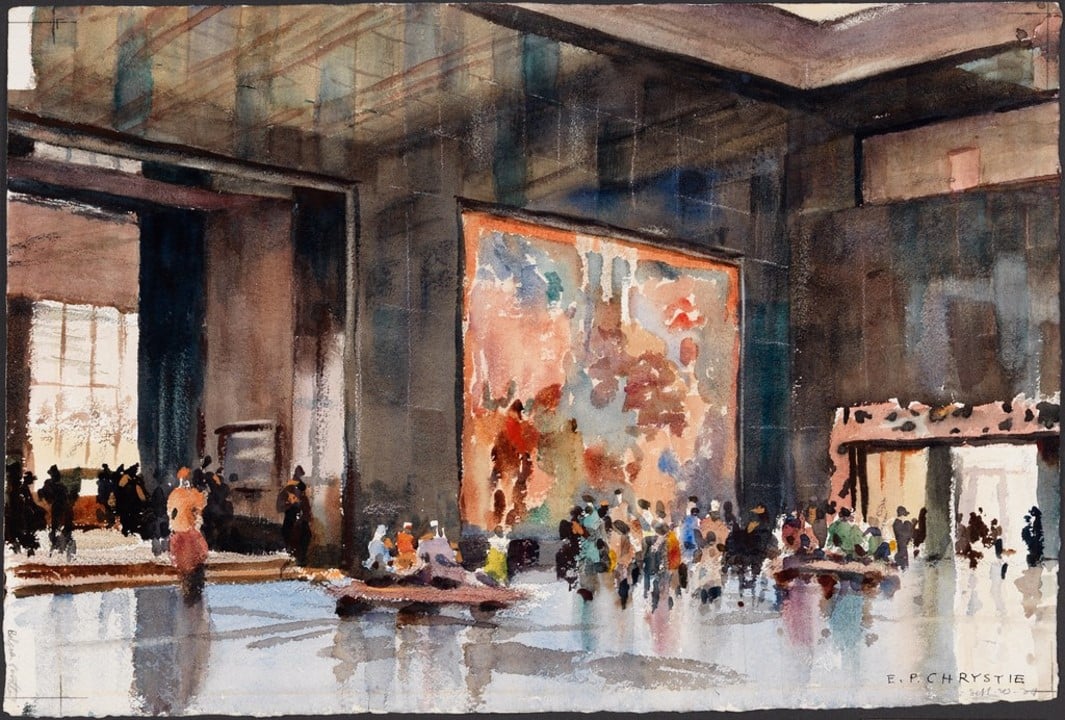 Painting by E.P. Chrystie of the woven scenes from Belgian-American history by Floris Jespers in the hall of honour of the Belgian Pavilion at the World's Fair
© Museum of New York
Belgian-American Crabs in a bucket
Heading the Belgian committee was exhibition commissioner Joseph Gevaert, who was the boss of the eponymous photography company. During the expo, he made scandalous headlines with the news that his wife was divorcing him to marry an American artist that same week. The real workhorse was Gevaert’s deputy, Jan-Albert Goris, better known today as writer Marnix Gijsen. During the expo, Goris lived with his wife, Julia De Bie, in a small studio on the fourteenth floor of an apartment building with a fabulous view of the Hudson River. The construction of the pavilion in 1938 was the start of Goris’ American chapter, which continued until well after the Second World War. There, he led a double life as a writer-civil servant, penning (under the pen-name Marnix Gijsen) the column “Dag en Nacht in New York” (Day and Night in New York) for De Standaard newspaper along with numerous other literary works while continuing his work for the Belgian Information Centre (as Jan Albert Goris). He, too, divorced his wife during his sojourn in the United States, captivated by the American way of life, which felt so much freer than the Catholic Flanders he had left behind.
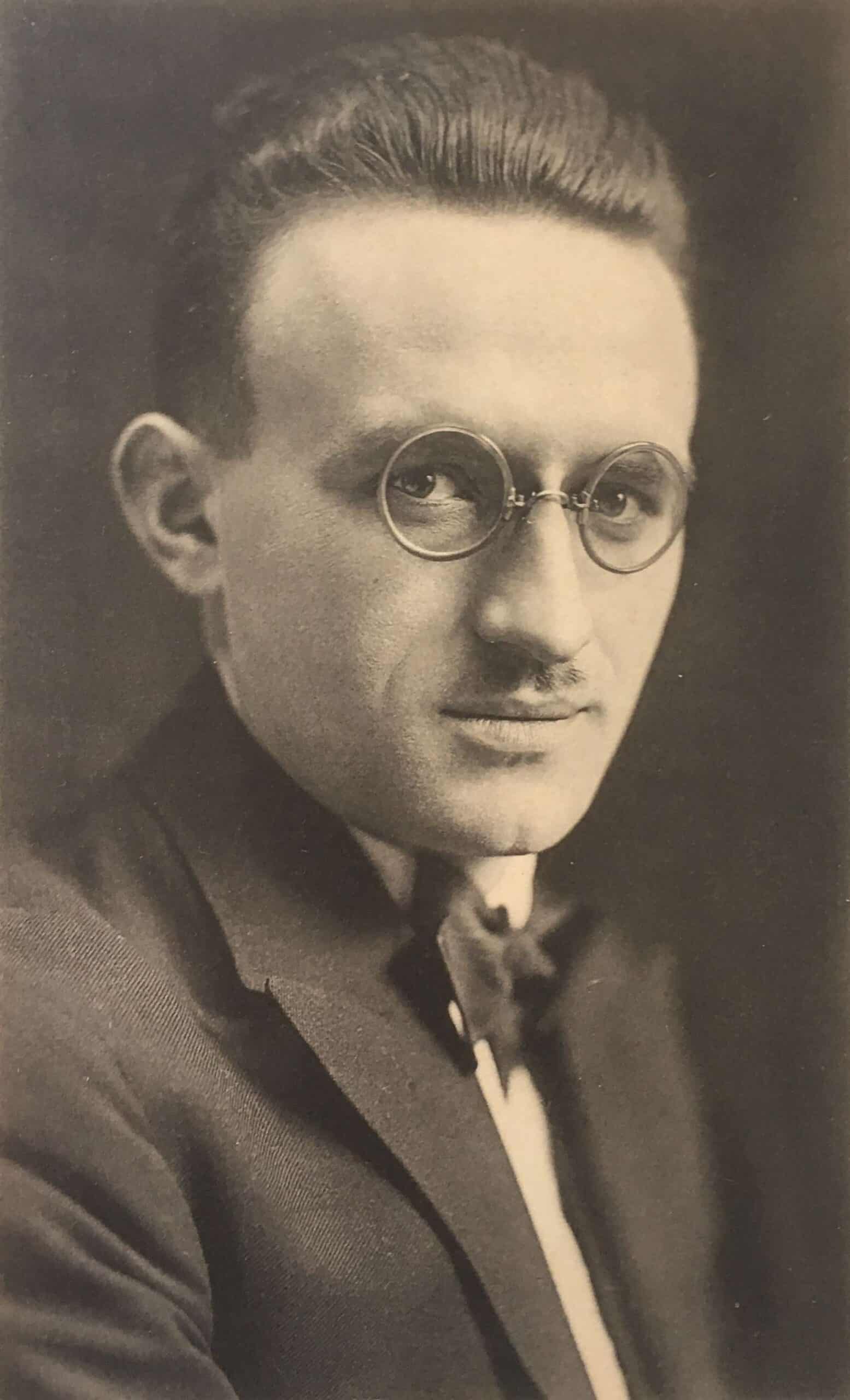 Marnix Gijsen
© E. Barbaix, Gent
Goris had his fingers in every pie at the World Fair: from trade union negotiations to accounting to representing Belgium at various bodies and events. In his laconic style, he reported to his brother René:
Friday the eighteenth [October 1940] was the last official event at my stall, and the bravest of the Gauls had thrown themselves upon the magnificent buffet with a fury that would not have been entirely out of place at the Albert Canal. Please note that one lady ate seventeen pastries while another of our amiable compatriots wrapped a whole lobster in a napkin and was astonished when she was asked to return the creature.
Goris fitted right in with the Belgian contingent that established itself in New York in the wake of the expo. It was then, after the outbreak of war, that the Belgian pavilion got caught up in the quagmire of Belgian-American relations. By May 1940, it was still unclear what would happen to Belgium’s pavilion in New York. A telegram from Foreign Minister Paul-Henri Spaak ordered its closure. But what was to be done with the actual building? The idea of dismantling the structure and shipping it across the Atlantic to Europe while the British Navy and the German Luftwaffe were engaged in battle was simply not practical. Just a few days after the telegram was sent, the government revised its decision. In the meantime, the Belgian pavilion was allowed to reopen, but only once the statue of King Leopold III had been removed from the Hall of Honour due to his pro-German sentiments and the complex constitutional situation that, as a result, had arisen between the government and the monarch. Exhibition commissioner Gevaert was also suspected of being pro-German, after having been spotted in Italian and German diplomatic circles. So, it was with few scruples that Goris moved to push him aside.
Pavilion for Sale
The government was given until 27 October 1940, when the World Fair officially closed, to decide. It was Goris who came up with the idea to sell the pavilion in the United States. He had been busy with the exhibition’s “clearance sale” since the summer of 1940. In a letter to Parliamentary Speaker Frans van Cauwelaert, who was staying in New York for the duration of the war, he wrote:
“Everything in the pavilion is running normally now. I see Gevaert once a week. He has now gone to Yellowstone Park. I am trying to sell everything that is here and I am succeeding: liquidating the carillon (to Galpin-Hoover), sending masses of gingerbread (to Rossens & Co), clearing out silverware and ceramics, chasubles and books. It looks like a department store.”
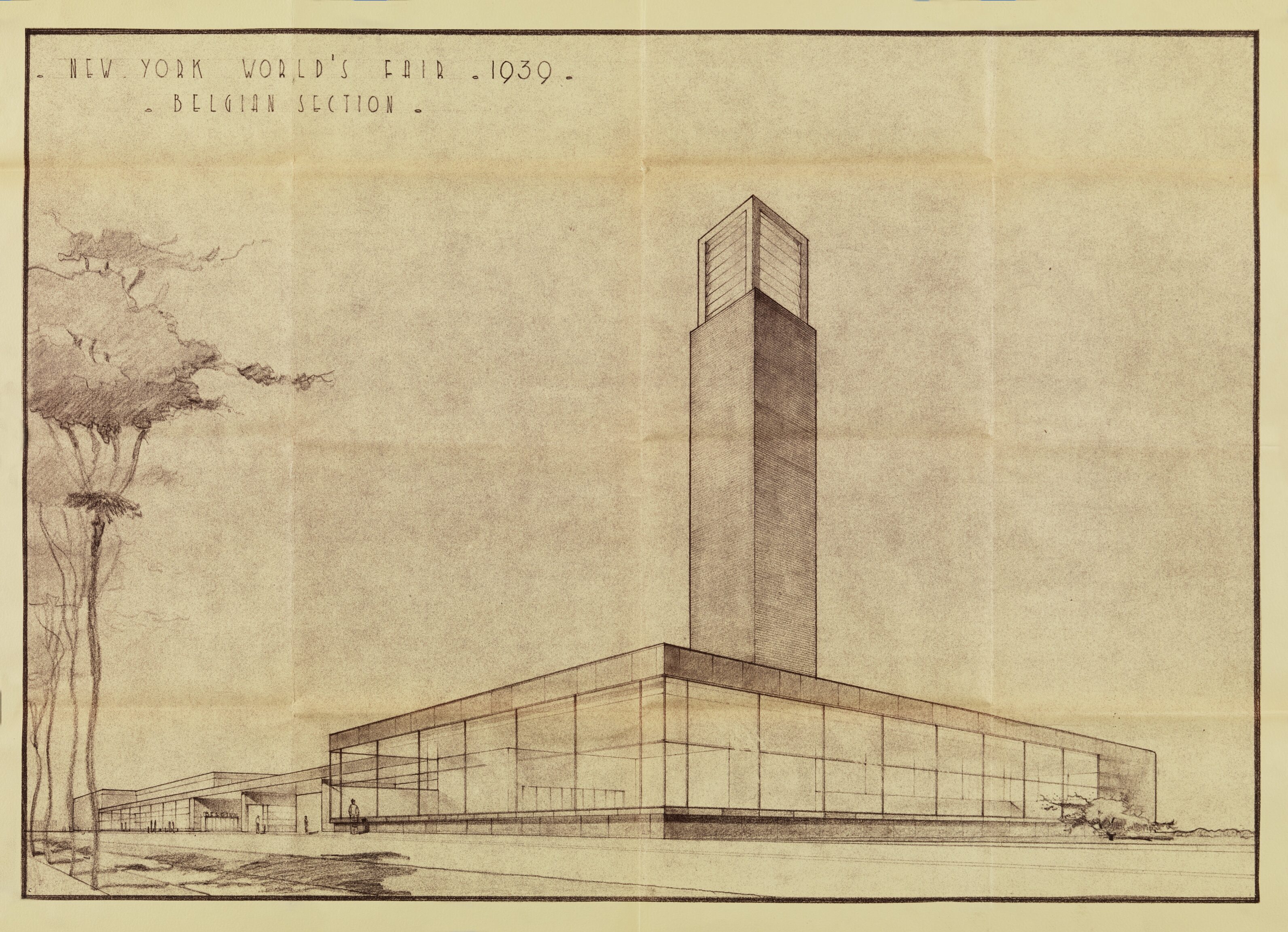 Preparatory drawing of the Belgian Pavilion
© Archief Léon Stynen, Vlaams Architectuurinstituut, Antwerpen
Goris was also engaged in negotiations with Virginia Union University in Richmond, one of the historically Black colleges and universities in the South, for the sale of the Belgian pavilion. He finally sold the building for half its value, thereby both freeing himself from its mandatory demolition and getting the construction costs repaid. Essentially, he re-packaged what was essentially a debt burden and a troublesome problem for the Belgian government-in-exile as an opportunity for Virginia Union University. At the same time, amidst all the war propaganda, he presented the sale as: ‘a gift from Belgium to America to serve coloured Men and Women.’
It was clever of Goris to get the modernist expo pavilion, which had previously been expected to be shipped back to the Heysel in Brussels, pledged as a Friendship Building in the United States. By this move, occupied Belgium gained a bit of soft power from a major player in the war.
Soft Power, Hard Deals
In May 1941, Goris was invited to the cornerstone-laying ceremony for the reconstruction. On 17 May he wrote to his brother René:
Back from the South. Took the bus to Richmond, a three-hour journey through a beautiful and historic landscape full of memories of the War of Secession. The ceremony itself was truly moving in its naivety and dignity at the same time. In contrast to New York, it was pleasantly warm there, and the greenery still retained its fresh glory. Under the low trees on the campus, a few platforms had been erected: the ‘authorities’ took their places on one, the ‘band’ on the other. Benches were arranged in a semicircle around them in three or four rows, and upon them our black brothers and sisters had taken their seats: all dressed in their finest, with bright pink, light green, and shimmering blue silk, and all with their hair gleamingly oiled to tame the curls. A mixture of all shades, a sample book of all the adulterous and racially abusive activities of old Virginia over a few centuries. The orchestra was unique: a collection of boys and girls in the most colourful costumes: one there was who wore, on an ebony face, sunglasses of white celluloid a finger thick.
Goris continued, writing about the ceremony that had ushered in a new era for Virginia Union University. The money for the pavilion had been raised through collections within the Black community, just as Belgian Catholics in the nineteenth century had gone around during masses to collect money for the University of Leuven. The date of the ceremony, 14 May 1941, was marked by speeches commemorating the event as a turning point in the long history of Black subjugation.
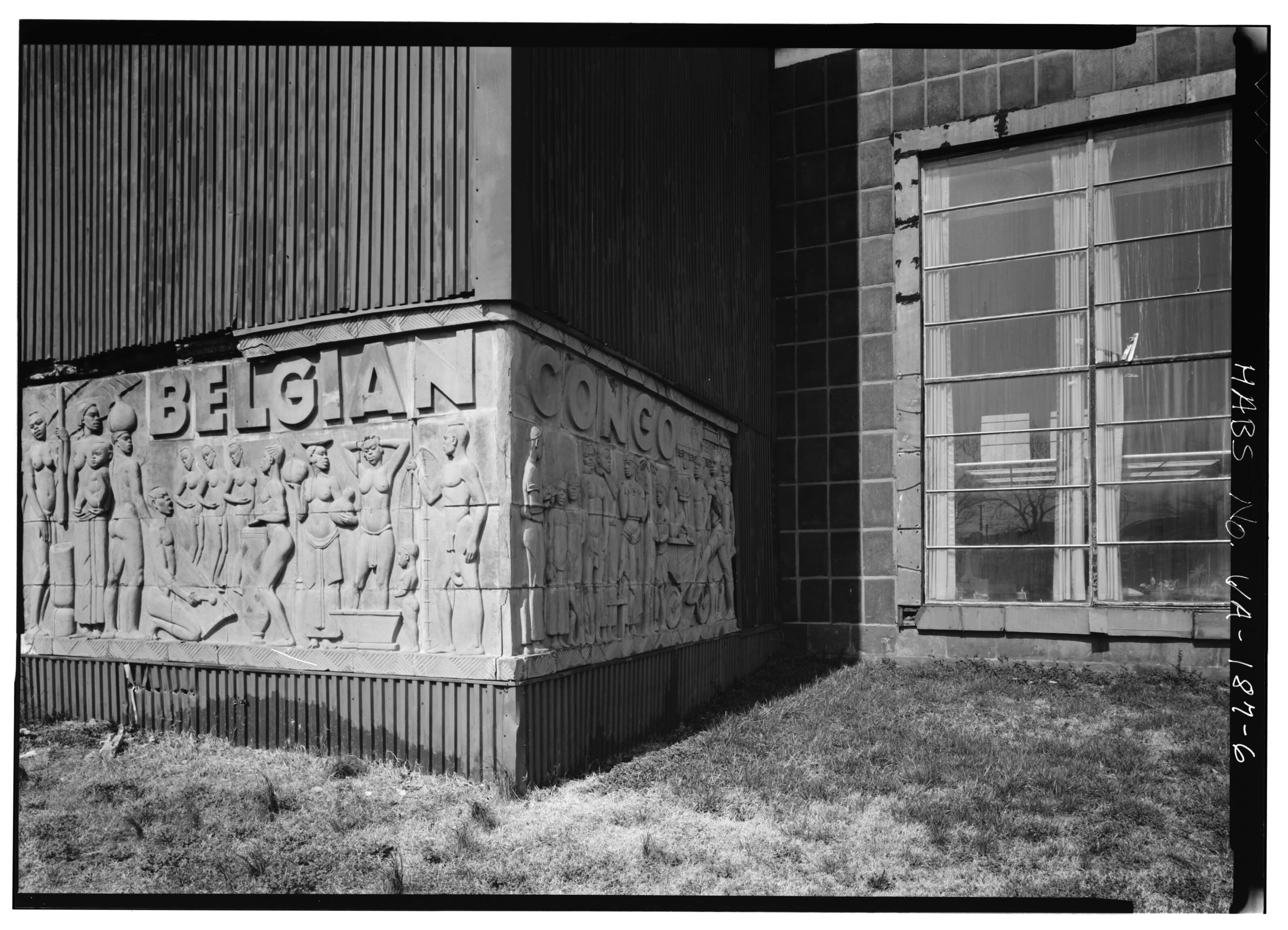 Bas-relief depicting the Belgian 'civilising mission' in the Congo
© Public Domain
Goris was an energetic commissioner but was also constantly under the umbrella of the Belgian diplomatic services. The “gift” of the Friendship Building formed part of the broader Belgian-American relations playing out in Washington. These had temporarily hit a high point because the Belgian colony of Congo abounded in raw materials of great strategic value to the war effort.
It was a curious, complex situation. Almost a quarter of the Belgian pavilion had been dedicated to Belgium’s “civilizing mission” in Congo. That same building was now being sold – or rather, “gifted” – by a colonial power to a Negro college, merely because the circumstances of a world war forced it to do so. At the same time, Belgium promoted the exchange as a “token of friendship” in Atlantic relations. It was a case of soft power alongside hard copper and uranium deals.
Proud Symbol
Virginia Union University considered the demolition of Van de Velde’s modernist pavilion in Flushing Meadows and its reconstruction in southern Richmond as ‘Belgium’s gift to Negro education in the United States.’ Thanks to the vastness of the former expo building, which came to be known as “the Belgian building,” the campus instantly grew by fifty percent and students benefitted from auditoria, laboratories, a university library, and numerous community facilities.
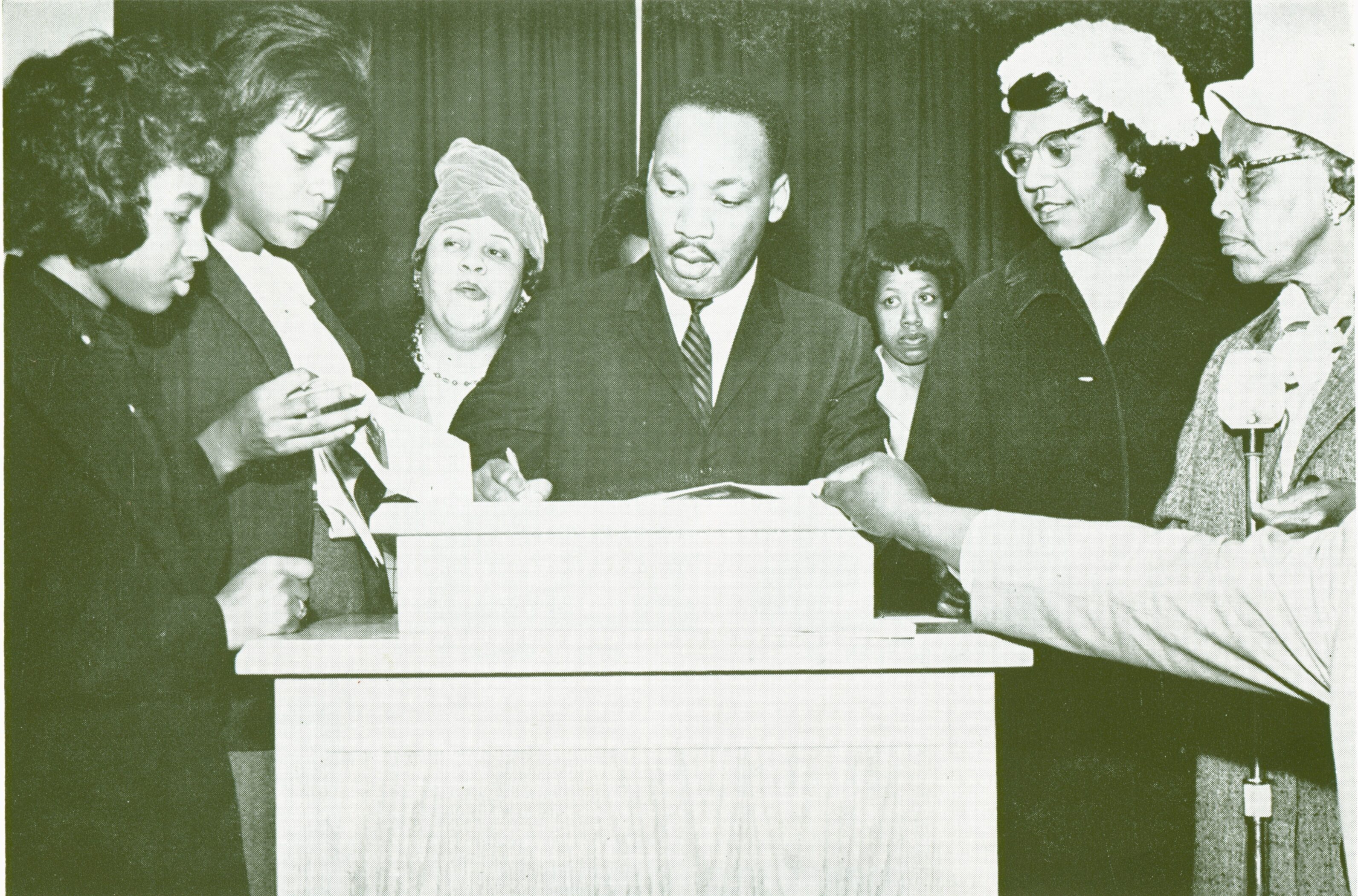 Martin Luther King following a speech at Virginia Union University
© Virginia Union University Archives
Van de Velde’s modernist tower eventually became a proud symbol of African-American civil rights. In the 1960s, the Belgian building became the somewhat anachronistic setting for student protests during the Civil Rights movement that was spreading from Richmond to various other southern cities. Martin Luther King Jr. spoke at the building in 1956, by which time its colonial antecedents had already been forgotten. He returned twice more before he was assassinated in 1968. The Panthers basketball team played on a court built in the former pavilion, and African-American jazz greats such as Duke Ellington and Count Basie had performed there, where generations of Black students earned their degrees.
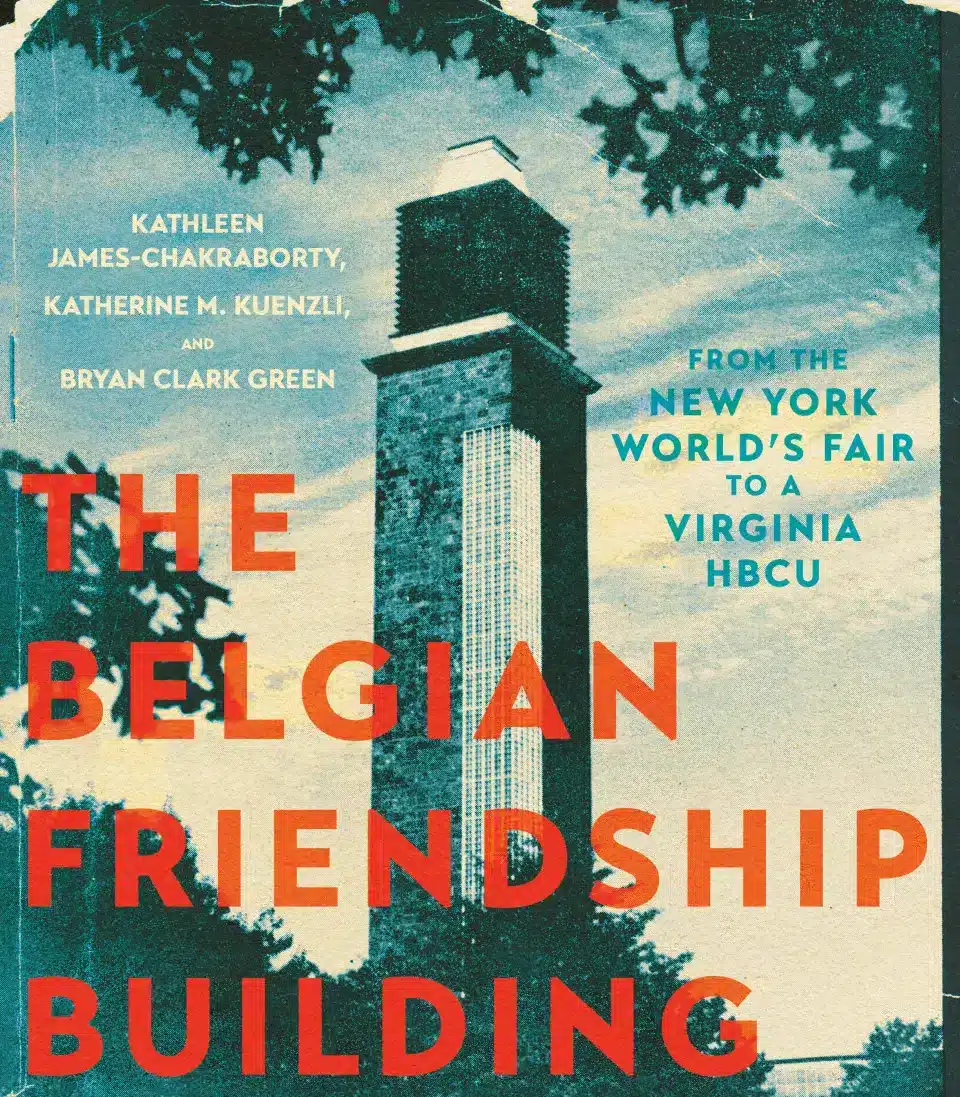
The irony, almost the sarcasm, that Goris displayed in his private letters and the opportunistic way in which the building was sold as a “gift,” did not alter the fact that the tower was a proud acquisition by a demographic group that was still suffering under segregation at the time. Their ownership of this model of modernist architecture that had shone at the World Fair was a clear proof of their growing strength.
The full story can be read in the book Belgian Friendship Building: From the New York World’s Fair to a Virginia HBCU by Kathleen James-Chakraborty, Katherine M. Kuenzli, and Bryan Clark Green. Published by University of Virginia Press, Charlottesville, 2025, p.384.

You might also like

In Jozef Deleu’s Poetry, Nothing Was Lost





Leave a Reply
You must be logged in to post a comment.